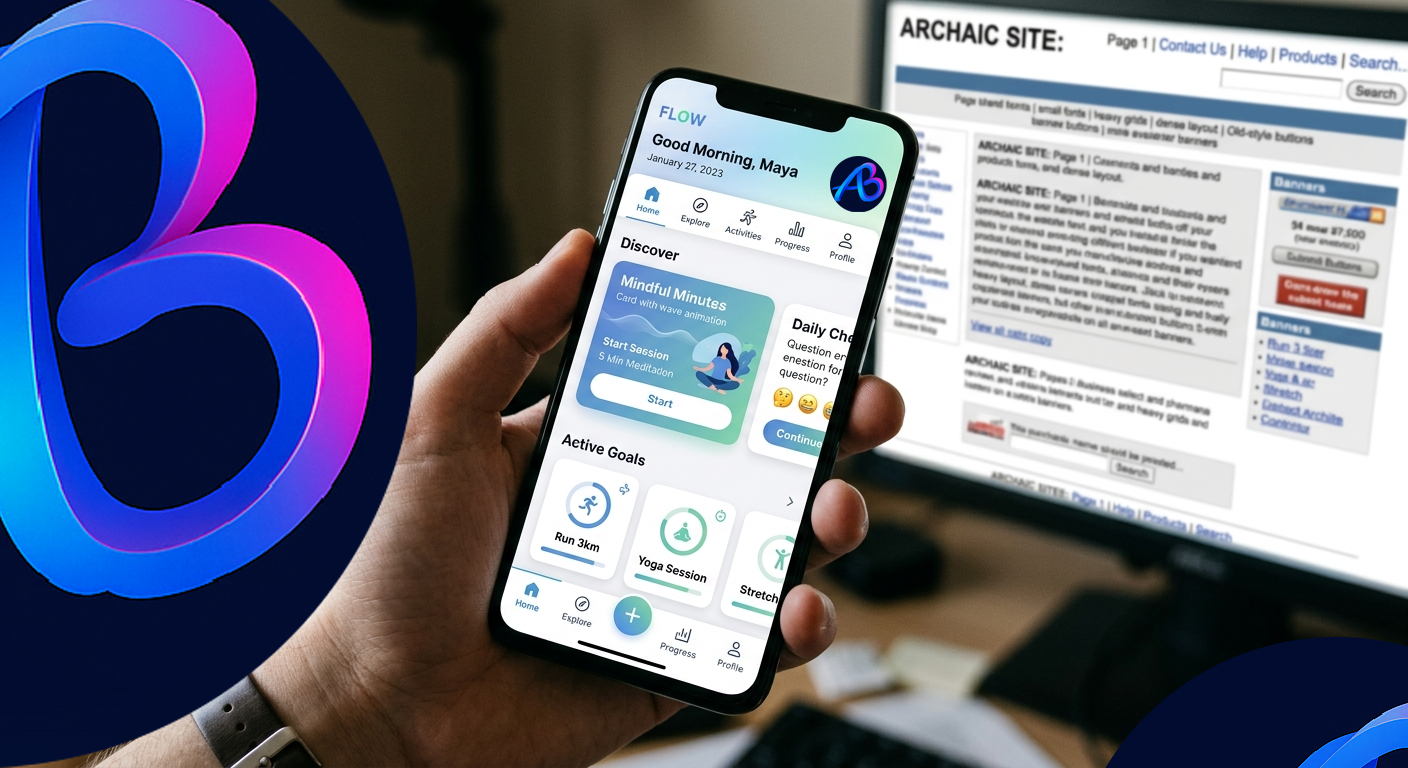
Most mobile apps fail for one simple reason—they are just websites wrapped in an app container. Users open them, feel nothing new, and uninstall within minutes. That’s not growth. That’s wasted effort.
Real mobile success comes from designing an experience people want to return to. That’s exactly what modern businesses are achieving with solutions like AppBaytun.
Stop Thinking “Website → App” the Old Way
Many businesses assume a mobile app should simply mirror their website. However, that mindset limits results.
A website is built for browsing. A mobile app is built for behavior.
This difference matters because users don’t interact the same way on mobile. Instead of reading and scrolling, they tap, swipe, and act quickly. Therefore, the experience must feel lighter, faster, and more focused.
What Makes a Mobile Experience Work
A strong mobile app is not about features alone. It is about flow.
For example:
- Users should reach key actions in seconds
- Navigation should feel effortless
- Content should adapt to attention span, not overwhelm it
Because of this, successful apps feel natural—not forced.
To understand how structured mobile systems work, you can explore
👉 https://appbaytun.com (inbound link)
Why Engagement Drops on Poor Apps
When apps feel like copied websites, users notice immediately. They face:
- Too many clicks to reach simple actions
- Slow transitions between screens
- Cluttered layouts on small devices
As a result, engagement drops quickly. Even worse, users rarely return.
However, when the experience is smooth, users don’t think—they just use it. That’s where real retention begins.
Mobile-First Thinking Changes Everything
Instead of starting with a website layout, mobile-first businesses start with user behavior. They ask:
- What does the user want to do first?
- How fast can they complete it?
- What will bring them back tomorrow?
This approach creates apps that feel purposeful rather than generic.
In addition, mobile-first design improves clarity and reduces confusion, which increases conversions over time.
For broader UI/UX principles, you can refer to
👉 https://developers.google.com
A Better Way to Launch Apps Today
The good news is—you don’t need to rebuild everything manually anymore. Instead, you can transform your existing system into a mobile-ready experience.
With the right platform, businesses can:
- Save development time
- Keep their existing ecosystem
- Focus on user experience instead of coding complexity
Final Thought
A mobile app should not feel like a smaller version of your website. Instead, it should feel like a smarter, faster, and more focused version of your business.
When you design for behavior—not just content—you create real engagement. And that is where growth actually happens.